Sep 27, 2026News & Insights
What is Outdoor Lighting and Why It Matters
Outdoor lighting enhances safety, highlights architecture, and creates inviting outdoor spaces while modern LED technology ensures energy efficiency, durability, and versatile design.
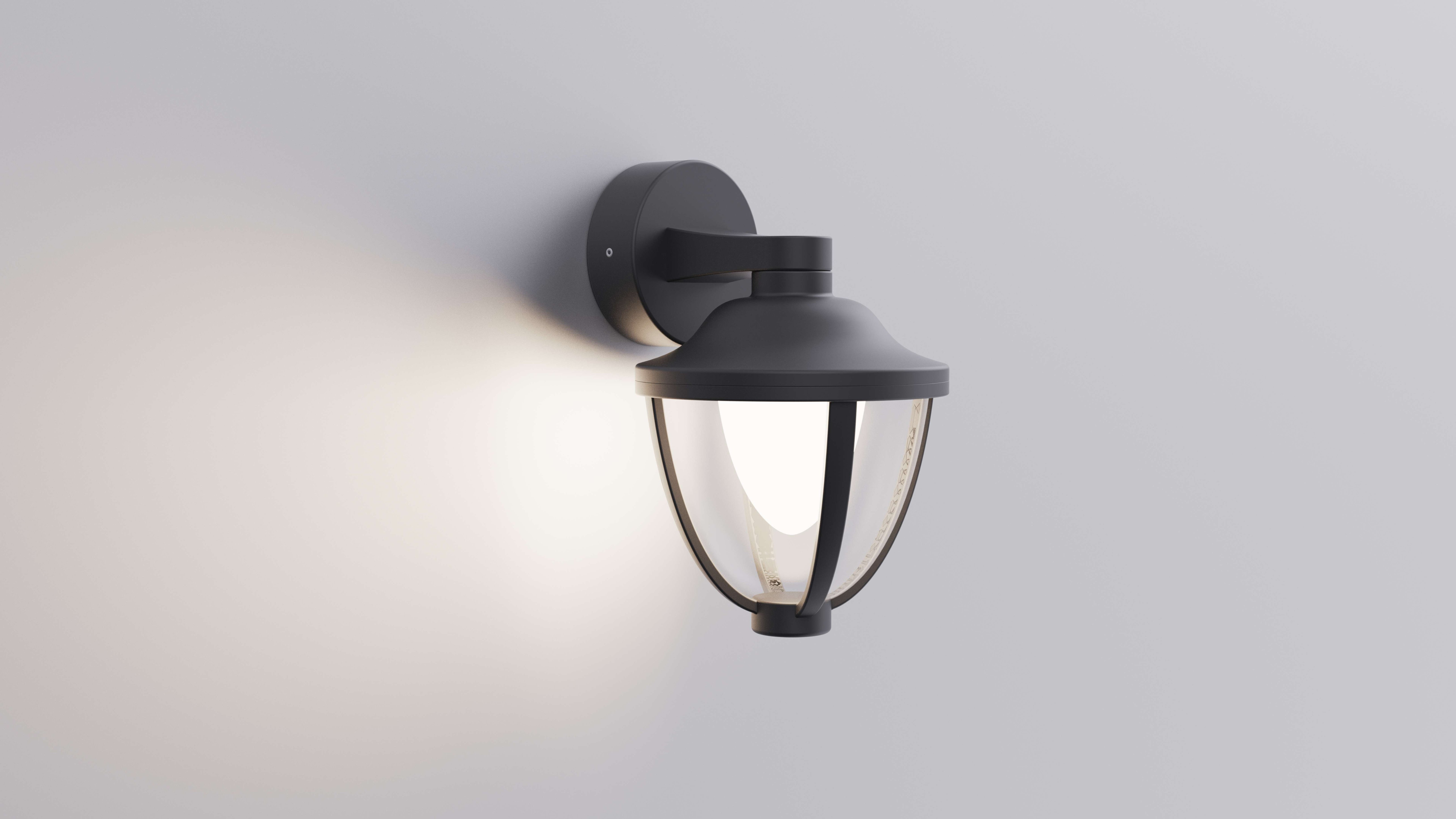
The Importance of Outdoor Lighting in Modern Spaces
Outdoor lighting has become an essential part of modern residential and commercial design. From gardens and pathways to building facades and landscape features, well-planned lighting keeps outdoor spaces usable after dark and gives architecture a completely different character at night.
For homeowners, hotels and property developers, exterior lighting is no longer a decoration budget afterthought. It directly affects safety, usability and the first impression a building makes.
Improving Safety and Visibility
One of the primary purposes of outdoor lighting is to improve visibility after dark. Well-lit walkways, steps and entrances reduce the risk of trips and falls for residents and visitors alike.
Common safety lighting applications include:
• Pathway lighting that guides guests from the gate to the door
• Driveway lighting for vehicles and deliveries
• Entrance lighting around doors and porches
• Stair and step lighting on terraces and garden levels
• Parking area lighting for residents and staff
Installing professional outdoor wall lights and pathway fixtures in these areas significantly improves visibility and makes an exterior feel cared for.
Enhancing Architectural and Landscape Design
Outdoor lighting also highlights the architectural lines and landscape features of a property. Up-and-down wall lights draw attention to wall textures, while spotlights and garden lights add depth to trees, flower beds and water features.
Landscape designers often work with layered lighting techniques, combining:
• Garden lights for general ambient coverage
• Landscape spotlights for accent and focal points
• Pathway lights for circulation routes
• Decorative lawn lights for visual interest
These layers work together to create a balanced and attractive night-time scene instead of a single harsh floodlight.
Choosing Outdoor Wall Lights for Exterior Walls
Wall lights are the workhorses of exterior lighting. When choosing them, check the material and protection rating first: die-cast aluminum housings with an IP65 waterproof rating stand up to rain and outdoor exposure far better than untreated fittings.
Next, look at the light distribution. Up-and-down wall lights wash light both upwards and downwards, which suits entrance walls, courtyards and garden facades. Color temperature options in the 3000K / 4000K / 6000K range let you tune the atmosphere from warm and welcoming to bright and functional.
Energy Efficiency with LED Technology
Modern LED technology keeps running costs low compared with older halogen or incandescent fittings, while wide 110–240V voltage input makes installation straightforward in most regions.
For long hours of nightly operation — entrances, pathways and driveways — the efficiency of LED light sources is what makes a well-lit exterior affordable to run year-round.
Durability for Outdoor Environments
Exterior fittings face rain, dust, UV and temperature swings. That is why material choice matters: die-cast aluminum resists corrosion, and a sealed IP65-rated housing keeps the electronics protected through the seasons.
Durable fittings also mean less maintenance for the owner — fewer replacements, fewer service calls and a consistently good-looking facade.
Conclusion
Good outdoor lighting improves safety, extends the usable hours of gardens and courtyards, and gives a building a stronger night-time presence. Choose fittings with proven weather protection, efficient LED light sources and a layered layout plan.
⭐ Explore the Melong outdoor wall light, pathway light and landscape series in the Products menu, or contact us for the latest catalog and OEM/ODM cooperation.