Sep 27, 2026News & Insights
IP54 vs IP65 Outdoor Wall Lights: Which Weather Rating Does Your Project Need?
A plain-language guide to IP ratings for outdoor wall lights: what IP54 and IP65 actually test for, where each rating fits, and how to match them to your climate and mounting position.
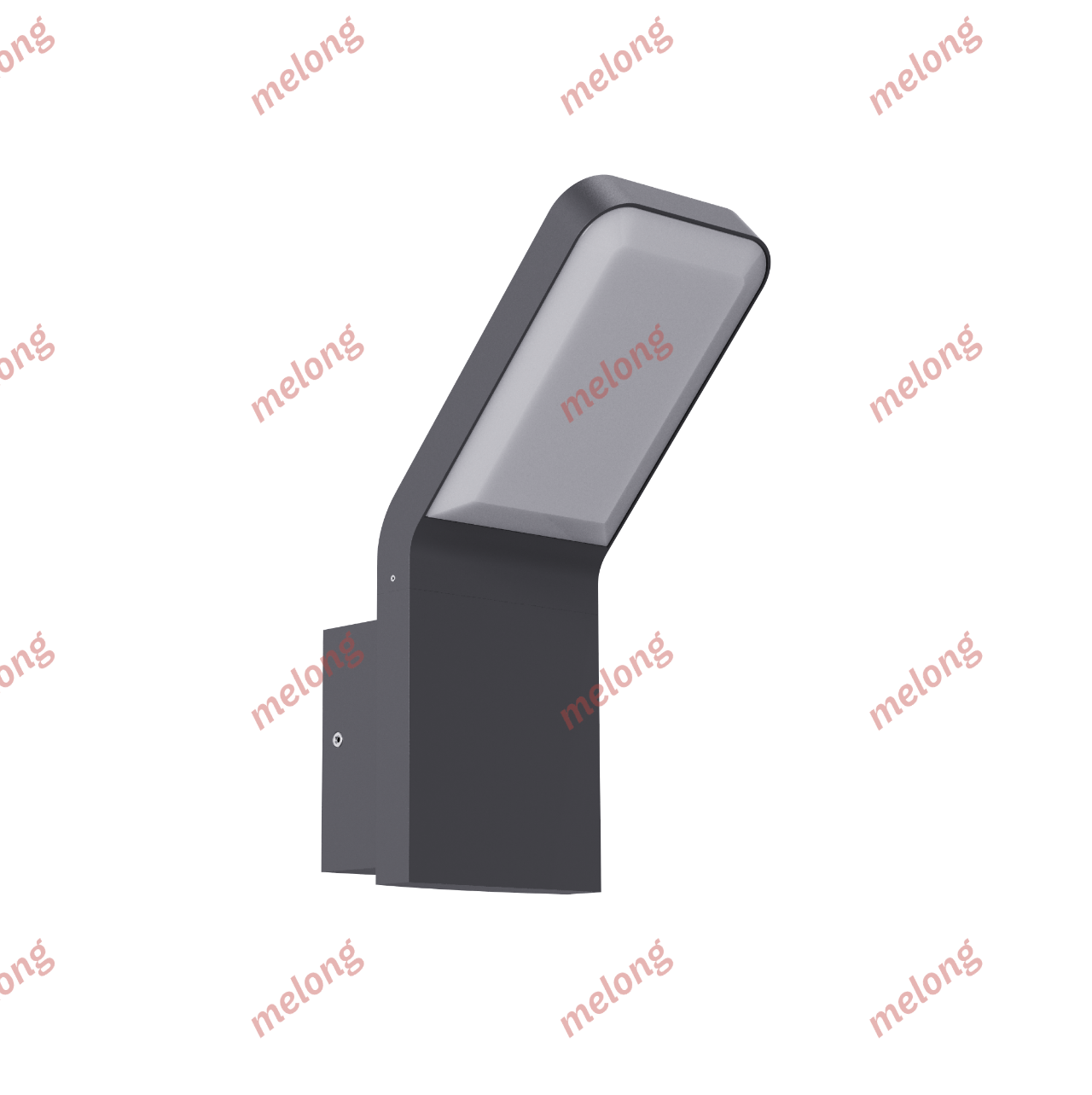
You have probably seen this on a quotation sheet: two wall lights that look identical in the photos, and the only difference is a short code — IP54 on one line, IP65 on the other. The codes look almost the same, and the spec sheet doesn't tell you which project each one suits. This guide decodes what the two ratings actually test for, so you'll specify the right fixture with confidence instead of paying for protection your project doesn't need.
What the IP Code Actually Means
IP stands for Ingress Protection, and both ratings come from the IEC 60529 standard. Each code carries two digits, and together they tell you what the fixture is sealed against: the first digit is about solids such as dust, the second about water. The higher the digit, the tougher the protection.
Here's the short version. In the first digit, 5 means dust-protected — dust can get in, but only in amounts that won't stop the fixture working — while 6 means dust-tight, no dust at all. In the second digit, 4 shrugs off splashing water from any direction, while 5 takes a direct jet from a nozzle. So the practical difference between IP54 and IP65 is simple: both handle rain that lands on them, but only IP65 is sealed against fine dust and directed jets.
Where IP54 Fits: Sheltered Outdoor Positions
If the position is outdoors but sheltered, IP54 is a sensible fit: a porch ceiling, a covered pergola, an under-eave wall, a courtyard corner the wind-driven rain rarely reaches. In spots like these the fixture sees splashes and humidity, not the direct pressure of storms or a hose.
Two examples from the Melong Lighting catalog show how IP54 pairs with a classic lamp-source design. The 8180H outdoor garden ceiling light is built in die-cast aluminum with an E27/E26 socket, a 110-240V voltage range, and a black or white finish, and it is rated IP54 for porches and pergolas. The 8044P1 modern garden light carries the same rating and the same E27/E26 socket in a design aimed at gardens and courtyards. Both keep the electrical chamber protected in covered outdoor positions while letting end users replace the bulb themselves.
Where IP65 Fits: Fully Exposed Installations
Once the fixture sits in the open, IP65 becomes the better call: exterior walls that face whatever the sky sends, garden boundaries, pathways with no canopy, coastal air heavy with salt, or commercial facades that get pressure-washed now and then. The dust-tight seal earns its keep in dry, sandy regions too, where fine particles work their way into anything loosely sealed.
The Melong B-series wall and bollard lights illustrate the rating in practice. Models such as the B3032, B1081, and B3773 wall lights and the B9016 bollard light are all built in die-cast aluminum with integrated LED light sources, an IP65 rating, a 110-240V voltage range, and selectable color temperatures of 3000K, 4000K, or 6000K. That combination is aimed at exactly the exposed positions described above.
How to Choose: A Four-Question Checklist
So start with the mounting position: under a roof, an eave, or a pergola, IP54 usually does the job; facing open sky, specify IP65.
Then look at the local weather. Wind-driven rain, monsoon seasons, or a facade crew that pressure-washes twice a year — any of these argues for IP65 even on partly sheltered walls.
Third, don't forget dust and salt. Dry, dusty climates and coastal air both reward a fully sealed IP65 housing.
The fourth question ties the rating to the lamp source, which is where the two Melong ranges split: the IP54 models use E27/E26 sockets for user-replaceable bulbs, while the IP65 models use sealed integrated LED arrays, so the rating choice and the light-source choice often decide each other.
A Common Specifying Mistake
The cheapest fixture is rarely the cheapest project: a row of under-rated wall lights can fail after one or two winters, and every replacement then means an access-and-reinstall visit that a correctly rated fixture would have avoided.
Five minutes at the specification stage is all this decision really costs, and it protects the whole installation — not just the fixture.
Next Step
If you are specifying wall or bollard lights and want a second opinion on the ratings, Melong Lighting manufactures both the IP54 socket-type range and the IP65 integrated LED range with OEM and ODM support. When you are ready to compare options, browse the product pages for the full specifications, or message us with the mounting positions of your project and we will suggest a suitable combination.